
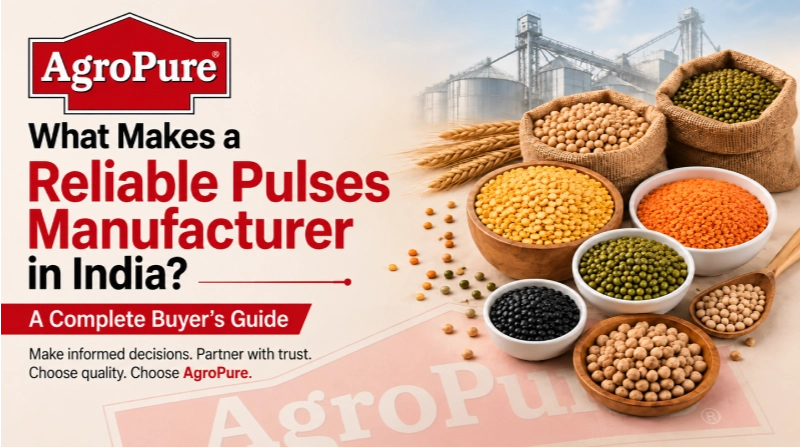
The right manufacturer can make or break your business when sourcing pulses for retail, wholesale or export. India is the largest producer and consumer of pulses in the world, but not all the pulse manufacturers in India follow the same standards. This guide will assist you to find reputable suppliers who value quality, consistency and compliance.
It takes time to build reliability in the manufacture of pulses. Older Companies Tend To Have Better Sourced Products Experienced and respected brands, such as those listed at the end, have had decades to optimize their sourcing networks, processing methods and quality controls. Look to established companies – those with two or more decades in the business have experienced booms and busts, have worked their way through countless crop cycles and cultivated excellent farmer relations. These companies, at minimum, have an intimate knowledge of regional planting rhythms, seasonal shifts and the factors that affect product supply.
The capacity of the manufacturer is also important. Daily processing volumes of 500+ metric tonnes point to infrastructure investments in modern machinery, hygiene systems and trained workforce. The scale allows them to fulfill bulk orders, while continuing to provide batch-to-batch consistency.
The most reliable pulses export from India operations control the entire value chain. The manufacturers that care about quality do all the sourcing, cleaning, grading and packaging themselves, not through third-party processors. This vertical integration cuts out the middleman and reduces the risk of contamination at each point of transfer.
Direct relationships with farmers in various regions – both domestic and international – ensure sustainable supply. Diversified sourcing protects you from local crop failures and price fluctuations. Find out how prospective suppliers source and vet their farmers; transparency here is a sign of their commitment to quality.
In today’s global market, no supplier worth his salt is without international certifications. Before you make partnerships, check these credentials:
These are not optional checkboxes – they’re mandatory to provide to modern retail chains and international distributors. Manufacturers without these credentials cannot compete in premium segments or export-oriented businesses.
The modern organic pulses supplier in India has to maintain separate processing lines to avoid cross-contamination between conventional and organic batches. If you’re getting organic, make sure the organic-certified facilities and traceability documentation that links products to certified farms are dedicated.
Leading manufacturers offer both conventional and organic portfolios with consistent availability, eliminating the need for multiple suppliers. They also provide flexibility in packaging formats-from bulk tonnage to retail-ready consumer packages.
India exports 2.5-3 million metric tonnes of pulses annually accounting for 30 per cent of the global trade. Indian manufacturers are the largest exporters of pulses in the world in segments supplying 25+ countries across Asia, Middle East, Africa and North America.
When selecting a manufacturer, prioritize those with established international distribution networks and proven export compliance. They understand FSMA (U.S.), EU food safety regulations, and destination-specific labeling requirements-reducing your regulatory burden significantly.
Picking one of the reliable pulses manufacturers in India is a balancing act, involving experience, certifications, capacity and communication. Prioritise suppliers who are transparent in their supply chain and have certifications across compliance standards pertinent to your market.
India is the world’s hub for pulses and you’re spoilt for choice. The manufacturers that are worth partnering with are those that have invested in the infrastructure, who have maintained relationships with the farmers and who have earned international certifications. Your due diligence today will matter years from now in supply and quality.
Before you lock into long-term partnerships, contact established suppliers with proven export track records and ask to see detailed tours of their facilities, certifications and client references.
Q 1: What’s the difference between dal and pulses?
A: Pulses are the dried seeds of legumes (chickpeas, lentils, beans). Dal is a processed form-typically split pulses with the outer hull removed. Both come from the same plants but undergo different processing.
Q 2: How do I verify a manufacturer’s export history?
A: Request references from their existing international clients, check their presence on trade databases like ExportGenius, and inquire about their compliance with destination-country regulations. Reputable exporters maintain transparent client lists.
Q 3: What quantity should I order to ensure freshness?
A: Purchase 3-4 months of inventory maximum. Quality peaks within 6-8 months of processing. Larger processors with consistent monthly output ensure you receive recently processed stock.
Q 4: Are Indian pulses truly the world standard?
A: Yes. India’s climate, soil, and cultivation expertise produce superior quality. Indian manufacturers have optimized processing for decades, achieving consistency competitors can’t match. This is why 30% of global pulses trade flows through Indian exporters.
Q 5: How do certifications impact pricing?
A: Certified manufacturers invest in compliance infrastructure, testing, and documentation. Expect 5-15% premium over uncertified suppliers, but this translates to risk reduction, fewer rejections, and guaranteed market access.
Delivering purity, nutrition and trust
to millions of families and markets
around the world.
© 2026 GPA Capital Foods Private Limited. All Rights Reserved.
Quick Links
Contact Us